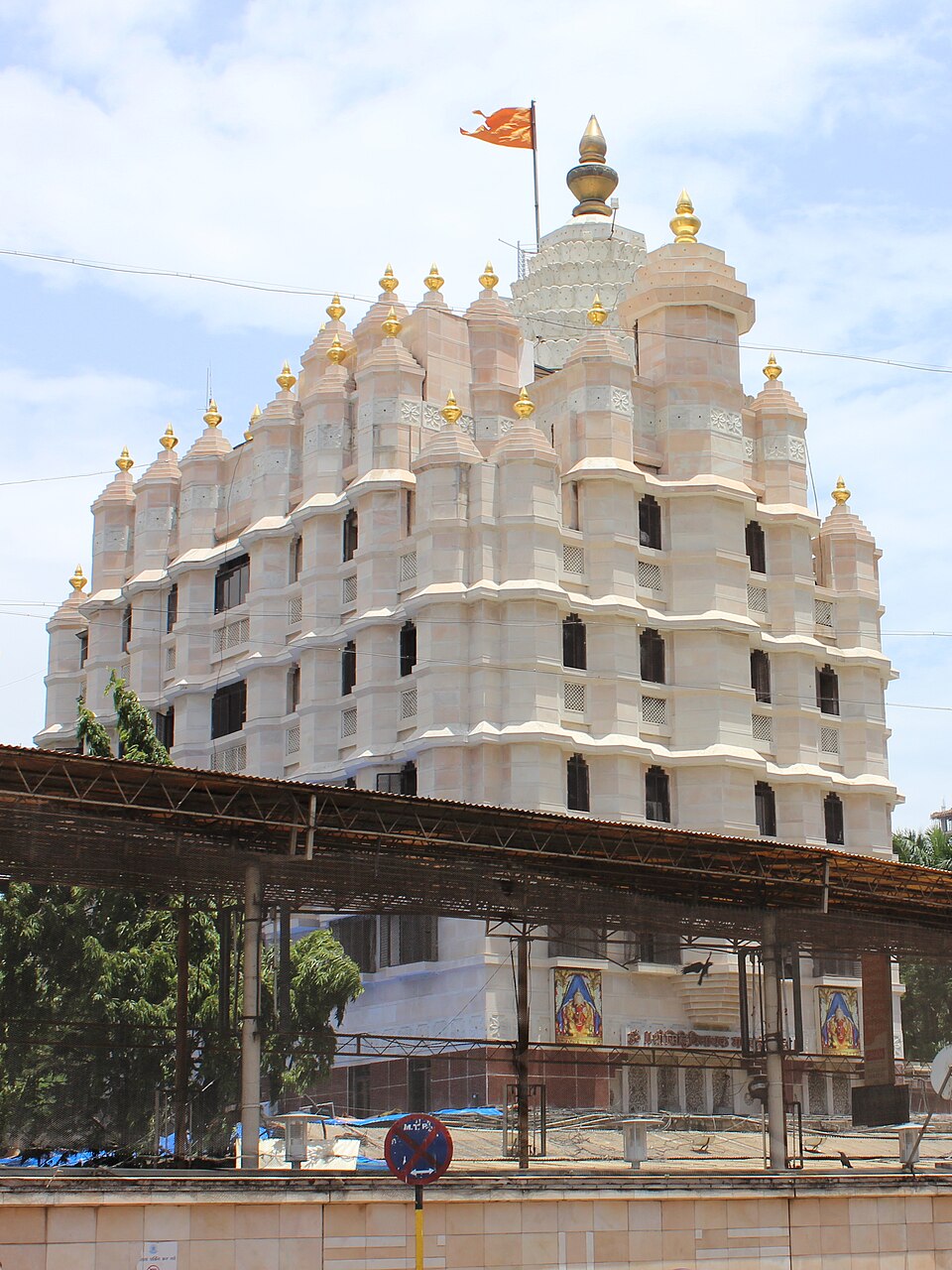
In the bustling heart of Mumbai, where ancient traditions meet modern aspirations, stands the Shri Siddhivinayak Ganapati Mandir. More than just a place of worship, this revered Hindu temple dedicated to Lord Ganesha is a cultural beacon, a historical landmark, and frequently, a subject of considerable public interest and even siddhivinayak temple news. Millions of devotees, from all walks of life, flock to its golden domes, seeking the blessings of the 'wish-granting Ganesha'.
This article delves into the rich tapestry of the Siddhivinayak Temple, exploring its profound history, the dazzling gold that adorns its sanctum, the unwavering devotion it inspires, and the administrative facets that often place it in the public eye. Join us on a journey to uncover the many layers of one of Mumbai's most iconic spiritual sites.
The Enduring Legacy: A Glimpse into Siddhivinayak Temple's History
The origins of the Shri Siddhivinayak Ganapati Mandir trace back over two centuries, marking it as a truly ancient spiritual institution in the rapidly modernizing metropolis of Mumbai. Its humble beginnings date back to November 19, 1801, when it was originally constructed by a local woman named Deubai Patil and a wealthy Agri contractor, Laxman Vithu. Their vision was to establish a sacred space for the worship of Lord Ganesha, and they are credited with laying the foundation for what would become one of India's most visited temples.
The temple's name, 'Siddhi Vinayak', carries deep significance. 'Siddhi' refers to spiritual accomplishment or success, and 'Vinayak' is another name for Lord Ganesha. Thus, the deity here is believed to be the Ganesha who grants wishes and bestows prosperity and success upon his devotees. While its roots stretch back to these early days, the present-day grand structure is largely a result of significant renovations that were completed in 1993, transforming the original modest shrine into the impressive complex we see today. This blend of historical depth and modern upkeep ensures that the temple remains a vibrant and relevant spiritual centre for generations.
Architectural Grandeur and Spiritual Significance
The Siddhivinayak Temple is a masterpiece of spiritual architecture, designed to inspire awe and devotion. At its core is a small mandap leading to the sanctum, where the central idol of Ganesha resides. The sheer opulence of the inner sanctum is a sight to behold, with its roof plated entirely with radiant gold, casting a warm, divine glow over the deity.
Key architectural and symbolic elements include:
- The Central Ganesha Idol: The revered stone statue of Shri Ganesha is located directly beneath the temple's iconic dome. This is the heart of the temple, where devotees offer their prayers and seek blessings.
- Ashtavinayak Carvings: The wooden doors leading to the sanctum are intricately carved with images of the Ashtavinayak – the eight manifestations of Ganesha found across Maharashtra. These carvings extend to the temple's pillars, serving as a constant reminder of the diverse forms and powers of Lord Ganesha.
- The Gold Throne: Beyond the gold-plated ceiling, it is often said that the throne of the idol itself boasts a vast amount of gold, contributing significantly to the temple's reputation for grandeur.
- The Dome: The exterior of the temple is crowned with a magnificent dome that is illuminated with multiple, changing colours every evening. This dynamic light display makes the temple a prominent and beautiful landmark against Mumbai's night sky.
- Hanuman Temple: In the periphery of the main temple complex, there is also a dedicated Hanuman temple, adding another layer of spiritual sanctity and allowing devotees to worship the revered attendant of Lord Rama.
These elements combine to create an atmosphere of profound spirituality and cultural richness, drawing pilgrims and tourists alike to experience its unique blend of devotion and artistry.
Governance, Donations, and the "News" Behind the Devotion
Behind the spiritual solace and architectural splendor lies a meticulously managed, albeit sometimes scrutinized, administrative body: the Shri Siddhi Vinayak Ganpati Temple Trust. This trust plays a crucial role in overseeing all temple donations and activities, ensuring the smooth functioning of one of Mumbai's most significant religious institutions.
The Trust operates under a formal legal framework, being registered under the Bombay Public Trusts Act, 1950, with the official name “Shri Ganpati Temple at Prabhadevi Road, Dadar, Bombay.” Further regulation is provided by the Shri Siddhi Vinayak Ganpati Temple Trust (Prabhadevi) Act, 1980, adopted on October 11, 1980. Currently, Sada Sarvankar serves as the chairman of the trust.
As Mumbai's wealthiest temple trust, it annually receives donations ranging from an astounding ₹100 million to ₹150 million (approximately US$1.2 million – US$1.8 million). This substantial financial inflow, while a testament to devotee faith, also brings considerable public and legal scrutiny, often making the temple's governance a subject of siddhivinayak temple news.
Allegations and High Court Intervention
In 2004, the Siddhivinayak Ganpati Temple Trust faced serious accusations of mismanaging its vast donations. These allegations garnered significant public attention and led to a crucial intervention by the Bombay High Court. The court appointed a committee, headed by retired judge V.P. Tipnis, to scrutinize the trust's donations and thoroughly probe the allegations.
The committee's findings were stark, reporting that "The most shocking aspect of the matter is that there is no method or principle followed for particular institutions. The only criteria for selection were recommendation or reference by trustees, or the minister, or a political heavy-weight, generally belonging to the ruling party." This report highlighted serious concerns regarding transparency and accountability in the distribution of funds.
Consequently, in 2006, the Bombay High Court directed the state government, the Siddhivinayak Temple Trust, and the petitioner Keval Semlani to collaborate on preparing "suggestive guidelines" for the ethical and transparent use of the temple's trust funds. These events underscore the temple's dual role as both a spiritual sanctuary and a public institution subject to legal oversight and public expectations. For a deeper dive into these financial aspects and the ongoing discussions surrounding the temple's trust and its public responsibilities, you might want to explore our dedicated article: Siddhivinayak Temple Trust: Mumbai's Richest & Its Controversies.
A Living Temple: Devotion, Celebrities, and Practical Tips
The Siddhivinayak Temple is not just a monument of history and gold; it is a living, breathing centre of devotion. On some days, particularly Tuesdays and special Ganesha festivals, as many as two lakh people (200,000) can be seen queuing up, patiently waiting for a glimpse of the revered stone sculpture of Ganapati. This immense popularity is fueled by a deep-seated faith in Lord Ganesha's power to grant wishes and overcome obstacles.
Its wide-reaching appeal also extends to the glitterati of India. It’s not uncommon to spot renowned Bollywood actors, cricketers, or other public figures making offerings, often seeking blessings before embarking on new projects – a testament to the temple’s wide-reaching influence and a frequent highlight in general siddhivinayak temple news. These celebrity visits often add another layer of intrigue and draw to the temple, making it a place where spirituality meets the everyday life of a vibrant city.
Practical Tips for Devotees and Visitors:
If you're planning a visit to this magnificent temple, here are some practical tips to enhance your experience:
- Temple Timings: The Siddhivinayak Temple is open on all days, typically beginning entry at 5:30 AM. However, timings can vary slightly on special days such as Vinayaki Chaturthi, Sankashti Chaturthi, Maghi Shree Ganesh Jayanti, and Bhadrapad Shree Ganesh Chaturthi, which are exceptionally busy.
- Best Time to Visit: To avoid the largest crowds, consider visiting early mornings or late evenings on weekdays. Tuesdays are notoriously crowded, as are any Ganesha festival days.
- Dress Code: While there isn't a strict enforcement, modest attire is recommended out of respect for the sanctity of the temple.
- Footwear: You will be required to remove your footwear before entering the inner sanctum. Designated shoe-keeping facilities are available.
- Offerings: Flowers, sweets (especially modak, Ganesha's favourite), and coconuts are common offerings. Vendors are readily available outside the temple premises.
- Security: Be prepared for security checks, especially during peak hours or special events.
- Navigating Crowds: Patience is key. The queues can be very long. Some options for quicker access, like VIP darshan, might be available, though many devotees prefer the traditional queuing experience.
The temple's active management ensures that despite its age and popularity, the premises remain gleaming and well-maintained, providing a clean and inspiring environment for devotion. For a more detailed guide on planning your visit, including specific Aarti schedules and insights into the temple's vibrant atmosphere, check out our article: Visiting Siddhivinayak Temple: Timings, Celebrities, & Ganesha's Blessings.
Conclusion
The Shri Siddhivinayak Ganapati Mandir stands as a testament to enduring faith, rich history, and the vibrant cultural fabric of Mumbai. From its humble origins in 1801 to its current status as a golden landmark and a hub of devotion, it encapsulates the spiritual aspirations of millions. The dazzling gold that adorns its sanctum, the intricate carvings of the Ashtavinayak, and the unwavering belief in Ganesha's wish-granting powers all contribute to its profound allure. While its governance and financial transparency occasionally become the subject of public discourse and siddhivinayak temple news, these discussions only underscore its immense significance and the public's vested interest in its integrity. More than just a destination, the Siddhivinayak Temple is a living symbol of hope, prosperity, and the boundless devotion that continues to thrive in the heart of India.